
If you’re about to finish school or a recent school leaver, there’s probably a lot of mixed emotions running through your head right now. You might be feeling confused, scared, excited, and apprehensive.
Up until this point, your life and schedule has been planned out for you. But now, it’s time to bid farewell to those high school routines, step into your new life as an adult, and discover something new.
You may be asking yourself, “What next?”
If you have a disability or mental health condition, those feelings of uncertainty might be amplified.
Everyone has the right to pursue a life of choice and you may require some extra support to assist you to reach your life goals.
No one pathway is right; all post-school options are valuable.
Whether you choose the path of further education or the path of employment, there are many exciting post-school options for people with disability to consider.
Post-school study options for people with disability
University
Some people might tell you that university is the holy-grail, almighty post-school option everyone should strive for. This isn’t true. Although it might be the most talked about pathway, it is important to note that university is just one post-school option you can consider. There are thousands of careers out there, and less than 50% require a university degree.
You also don’t need to immediately jump into a university degree straight out of high school. If you don’t yet know what you would like to study or what career you want to pursue, there’s still time to decide. Consider taking a gap year to work, volunteer, or trial work experiences so you can get a feel of what you enjoy and what you don’t enjoy – both equally as important. We’ll talk more about these options further down.
If you already have your future mapped out or a specific study discipline in mind, then kudos to you! It’s time to start trawling university websites and visiting open days. Before choosing a course, you should consider:
- what job or career you might like to pursue
- how the course will help you get there
- how you want to study (full-time, part-time, online)
- course costs
- disability support services available
- transport, accommodation, and living costs.
Each course and university will have different entry requirements. This might include things like:
- a minimum ATAR
- which senior school subjects you studied
- an interview
- a portfolio
- an audition or another form of assessment.
If you don’t currently meet these requirements, don’t stress. There are many alternative pathways to higher education.
Bridging programs
Graduating high school and doing it with a sweep of top marks isn’t the be-all and end-all of your future. But there are a few extra things you might need to consider if you finish school early or choose not to complete an ATAR.
Everyone moves at their own pace and has their own unique timeline.
No matter at what point in your journey you choose to finish high school—whether that be year 10 or year 12—you should feel incredibly proud for making it to this point.
If you decide you would like to complete a university degree but don’t meet the entry requirements, bridging programs can help you get there. Most universities offer bridging programs that award you a selection rank and prepare you for university. This selection rank can then be used to apply for university courses.
Disability support services
Most, if not all, universities provide additional support to students with disability. This is to ensure you can access and participate equitably in all your classes, assignments, and exams.
These services will advocate for your rights and help you to access reasonable adjustments or study materials in alternative formats so you have everything you need to be successful.
Keep in mind, you may need to apply for disability support well in advance to commencing or at the same time as enrolment. This will ensure services have plenty of time to organise alternative materials and arrangements.
If you are studying part-time, you might also be eligible for free support through the Disability Employment Services (DES) program. We will talk more about this program further down.
Vocational education and training (VET)
Vocational education and training (VET) courses are practical, skills-based programs. Many include work placements or workplace-based learning for a more hands-on approach. These courses are great post-school options if academic study is not your forte, but you want to continue higher education.
You can find these courses at TAFE institutes, independent registered training providers (RTOs), and some universities. The degrees range from a Certificate I, which takes around a year to complete, to an Advanced Diploma, which could take you up to three years full-time.
Although it is a work-ready degree in itself, a VET course is also another alternative pathway to applying for university. Most take less time to complete than a university degree, so you can be job-ready and out in the field sooner. You can even start studying some courses in high school.
Apprenticeships and traineeships
Traineeships or apprenticeships are great post-school options if you want to jump straight into paid work, whilst also gaining yourself an accredited qualification. You can even kickstart your qualification in year 12 with a school-based program.
Traineeships and apprenticeships consist of eight to 15 hours of paid work each week, combined with a theory component related to the qualification.
A traineeship focusses on vocational study areas. It will take between one and three years to complete, and you can choose from a range of industries, including:
- business
- hospitality
- retail
- information technology
- tourism
- health
- horticulture.

Apprenticeships generally take between three and four years to complete. You can choose to undertake an apprenticeship in a trade-based industry, including:
- construction
- automotive
- painting
- plumbing
- electrical
- engineering
- cabinet making
- hairdressing
- cooking
- jewellery.

Through the Disability Employment Services (DES) program, you can access free support to find and complete your traineeship or apprenticeship if you have a disability, injury, mental health condition, or health condition. When you connect with a Disability Employment Services (DES) provider like EPIC Assist, we offer one-on-one, ongoing support in your workplace for as long as you need it and can support you with your studies.
Post-school employment options for people with disability
Disability Employment Services
If you are ready to start working towards paid employment, Disability Employment Services (DES) may be the post-school option for you. Disability Employment Services (DES) is a free Australian Government program designed to help people with a disability, injury, mental health condition, or health condition become work-ready and find sustainable employment.
It can be tricky to know where to start when finding and applying for work, and that’s where DES providers, such as EPIC Assist, can help.
We offer one-on-one personalised support to help you build your job-skills and confidence. We’ll work with you to discover your interests, passions, and strengths. Once you know what career path you want to explore, we’ll work with you to develop your resume, get interview ready, and find workplaces that are inclusive and accessible.
Once you’ve landed a job you love, we’ll stick by your side for as long as you need. Whether that be in a mentor or advocate role, or in a more hands-on support worker role.
If you need a bit of extra training or upskilling to land your dream job, we’ll work with you to enrol in one of the above post-school study pathways and support you to complete your training.
Work experience and volunteering
If you’re not quite yet ready for paid employment or aren’t entirely sure what career you would like to pursue, volunteering is a great post-school option. Volunteering exposes you to new challenges, helps you gain job skills, allows you to taste different work experiences, and create networks you could use to land paid work.
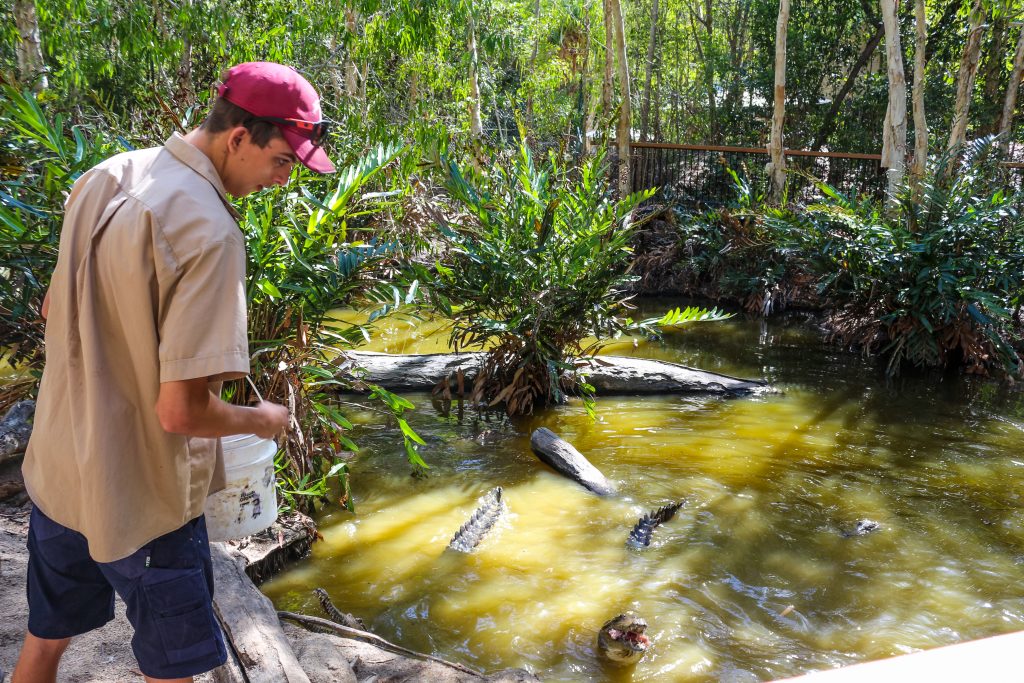
For example, Will, began volunteering at Hartley’s Crocodile Adventures in Cairns while in high school. He contacted EPIC Assist when he finished school and the team helped negotiate a transition from volunteer to paid work.
How do I choose which post-school option is right for me?
There’s no one right decision on which post-school option is right for you. Whichever path you choose to explore, you will learn and discover more about who you are and where you want to go next. Maybe you won’t pick the right path the first time, and that’s okay! You have your whole life ahead of you. There is time to try something new.
If you’re really stumped on how to choose between post-school options, take the time to speak with an employment consultant. EPIC Assist’s consultants are the specialists on supporting people with disability to discover their future and realise their potential. One in three of our employees has a lived experience with disability, and we use our different perspectives, life experiences, knowledge, and skills to deeply understand your personal circumstances.
If you have a disability, injury, mental health condition, or health condition, get in touch with EPIC Assist today to start your post-school journey.