

Have you ever noticed how a heavy, greasy meal leaves you feeling sluggish and unfocused? Or how a nutritious breakfast seems to set you up for a productive day? There’s actual science behind those experiences.
The connection between what we eat and how we think, feel, and perform isn’t just in our heads – it’s in our guts. This connection is the gut-brain axis. Influencing everything from your mood and memory to your focus and mental resilience.
And here’s the kicker: the food you eat decides how well the conversation between your gut and brain goes. Feed your gut the right way, and your brain can thrive. Feed it poorly, and you might find yourself feeling foggy, unfocused, or low in mood.
What you’ll discover in this guide:
- How your gut “talks” to your brain
- The impact of healthy vs unhealthy foods
- Three simple principles that transform how you eat
- Water: your brain’s most basic need
- Healthy eating is more than food
The gut-brain connection explained
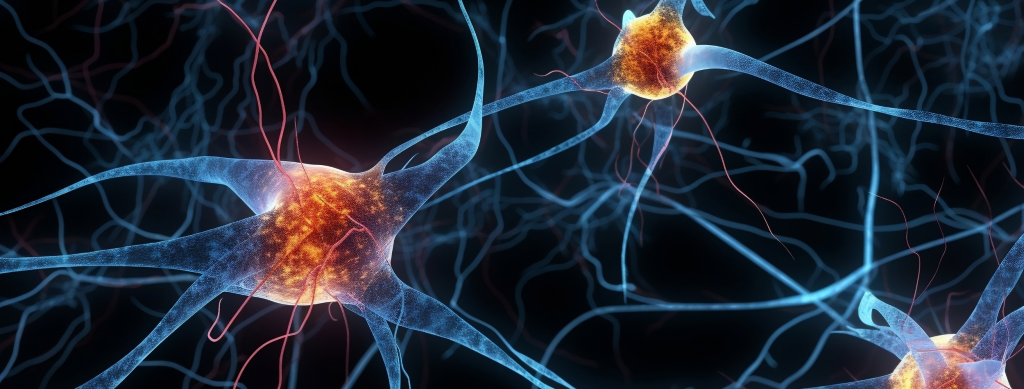
A network of neurons connects the gut and the brain. These neurons are tiny messengers. They send signals from the gut to the brain about what we are eating and how our body is feeling. [ 1, 2, 3, 6, 7 ]
When good food creates good thoughts
When you fuel your body with nutritious foods, something remarkable happens. Your gut sends positive signals to your brain, triggering it to:
- Build new neurons and stronger connections. Helping you to think, learn and remember more. [1, 2]
- Produce brain-derived neurotrophic factor (BDNF). A protein that acts like a personal bodyguard for your brain cells. Protecting them and boosting learning, mood, attention, and memory. [1, 2]
The dark side: when food fights your brain
Your gut sends distress signals to your brain when you constantly eat highly processed and nutrient-poor foods. This triggers the release of stress hormones that over-activate certain parts of the brain. This may cause:
- Inflammation in the brain, making it harder to plan, focus, or recall information. [1, 3, 6]
- Mood changes, including a higher risk of anxiety and depression. [1, 3, 6]
The good news? You have complete control over these signals through your food choices.
3 simple principles for a brain-friendly eating
Knowing the science is one thing. Putting it into practice is another. Transforming your mental well-being through nutrition doesn’t require a complete lifestyle change. Focus on these three simple principles to optimise your gut-brain connection.
Balance
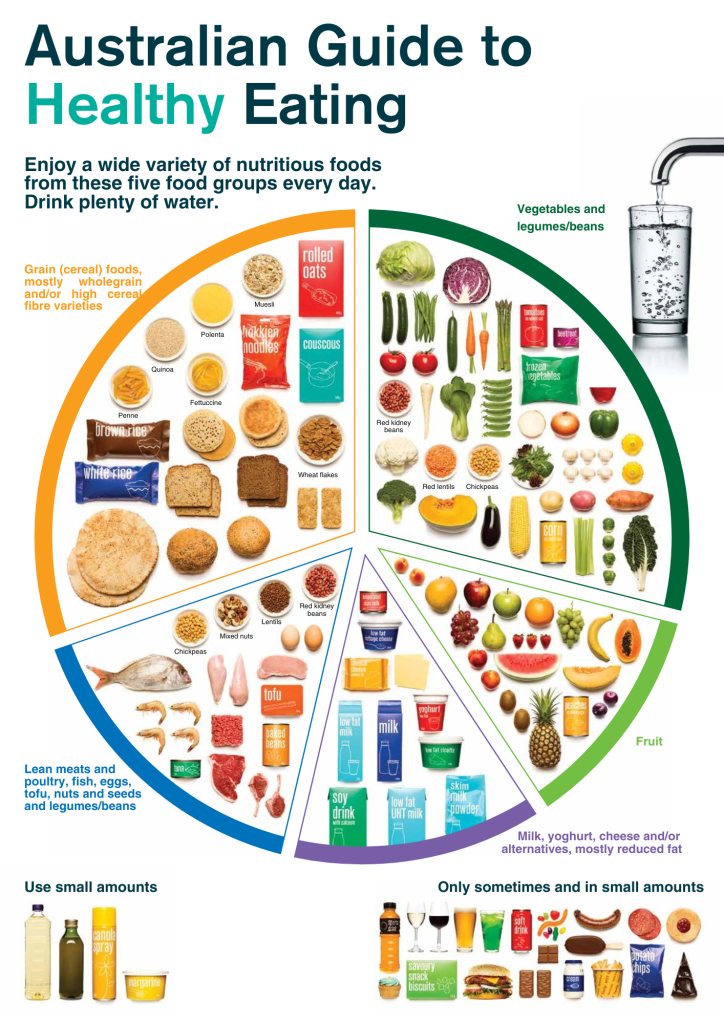
There is no one “superfood” that will solve everything. Your body works best with a balanced mix from the five food groups [4, 5]:
- Fruit and vegetables – rich in fibre, vitamins, minerals and antioxidants. Fermented veggies, like sauerkraut and kimchi, add probiotics that support gut health.
- Whole grains and cereals – supply minerals, healthy fats, fibre, and B-vitamins that support brain function. Examples: oats, quinoa, brown rice, whole grain bread.
- Lean meats, including fish and eggs – excellent protein sources. Opt for moderation; too much processed or fatty meat can work against you.
- Dairy and alternatives – provide calcium for strong bones and teeth. Plant-based alternatives, like almond or oat milk work too.
- Healthy fats – omega-3 fats keep nerves and brain cells healthy. Top sources: nuts, seeds, avocados, olive oil, salmon and sardines.
What about those tempting “occasional” foods?
We all know them: cookies, energy drinks, fast food, lollies, fried treats. These foods are high in saturated fats, sugars, and salt and can derail your mental clarity and mood. [8]
Does this mean you can never enjoy them? Not necessarily. It depends on your individual health goals and activity level [8]. The key is being intentional rather than mindless about these choices.
Smart strategies for managing “occasional” foods:
- Swap one processed snack per day for a whole food option
- Practice portion control rather than complete elimination.
Variety
Eating the same “meat and three veg” every night? It’s limiting your brain’s potential. Variety ensures you’re getting the full spectrum of nutrients your mind needs to thrive. Your body and brain will thank you for mixing it up.
Instead of this: Grilled chicken, steamed broccoli, and brown rice every night.
Try this weekly rotation:
- Monday: Salmon with roasted vegetables and quinoa
- Tuesday: Lentil and vegetable curry over brown rice
- Wednesday: Steak with sweet potato and sauteed spinach
- Thursday: Mediterranean chicken with olives, tomatoes, and whole grain pasta
- Friday: Black bean and avocado bowl with mixed greens.
Meal planning helps to ensure your brain gets diverse nutrients throughout the week.

Mindfulness
Mindful eating transforms your relationship with food from mindless consumption to intentional nourishment. It’s about paying attention to your body’s hunger and fullness cues while truly enjoying your food.
Benefits include:
- Preventing overeating
- Reducing stress around food
- Helping your brain register satisfaction
The power of regular meals
Skipping meals is like asking your brain to run a marathon without water. When you go too long without eating [7], you can feel:
- Irritable
- Have difficulty concentrating
- Mental fatigue
- And make poor decisions.
Optimal eating habits: three balanced meals plus 1-2 healthy snacks spaced throughout the day to maintain steady energy and mental clarity. [7]
Breaking the mindless eating cycle
We’ve all been there – mindless munching while watching TV or eating lunch at our desk while checking emails. This disconnected eating often leads to poor food choices and overconsumption. [2]
Simple mindfulness practices:
- Eat your first three bites slowly, focusing on taste and texture
- Put your fork down between bites
- Eliminate distractions during meals when possible
- Check in with your hunger level halfway through eating.

Hydration: Your brain’s most basic need
Did you know that your brain is approximately 75% water? Even mild dehydration can significantly impact your mental performance [7], causing:
- Increased anxiety and stress
- Memory problems
- Difficulty concentrating
- Mood changes and irritability
- Mental fatigue.
The Goldilocks approach to hydration
Too little water harms cognitive function, but too much water can also be problematic. For most adults, 6-8 glasses (about 2 litres) of water daily is the sweet spot [7]. Though individual needs vary based on:
- Body size and activity level
- Climate and temperature
- Overall health status
- Age and gender.
Pro tip: Start your day with a large glass of water to rehydrate your brain after hours without fluid intake.
Healthy eating is more than just food
True brain-healthy eating goes beyond your food choices. It looks at your whole relationship with food and how eating fits into your life. [2]

The social and cultural dimension
Food is meant to be enjoyed and shared. The most sustainable approach to healthy eating includes:
- Sharing meals with family and friends
- Participating in cultural food traditions
- Celebrating special occasions with favourite foods
- Finding joy and satisfaction in the eating experience.
The bottom line: Small changes, big results
The gut-brain isn’t just fascinating science. It’s your pathway to better mental health, clearer thinking, and improved wellbeing. You don’t need a perfect diet to see results. You need a consistent, balanced approach that nourishes both your body and mind.
Remember: every meal is an opportunity to send positive signals from your gut to your brain. Start with small, sustainable changes. Like adding one extra vegetable to dinner or swapping a soft drink for water. These choices can transform both your physical and mental well-being. Your future self will thank you.
If you’re ready to put these principles into practice without stretching your budget, explore our guide to eating healthy on a budget. You’ll find practical, easy-to-apply tips for making nutritious choices that support your gut-brain connection while keeping costs low. Proving that better mental well-being doesn’t have to come with a hefty price tag.
Sources
[1] Healthy Meal, Happy Brain: How Diet Affects Brain Functioning · Frontiers for Young Minds
[2] Diet and mental health in children and adolescents | Food and Mood Centre
[3] Gut feelings: How food affects your mood – Harvard Health
[4] The five food groups | Eat For Health
[5] Australian guide to healthy eating | Eat For Health
[6] Diet and Mental Health | Food and Mood Centre