

Ever feel like eating healthy is a luxury you can’t afford? You’re not alone. We know that rising grocery costs can make eating healthy feel out of reach. It can be a real challenge to balance your grocery budget with your desire to eat wholesome food.
The good news? You don’t have to choose between your wallet and your well-being. Whether you are feeding a family, supporting yourself, or on a tight budget, these simple strategies will help you take control of your meals and budget. This article will help you plan your meals and navigate the supermarket. Plus, there are tips throughout for saving money.
What you’ll discover:
- Strategic meal planning
- Smart shopping techniques
- Simple preparation methods
- Budget-friendly recipe ideas
Strategic meal planning
Planning ahead is the key to eating healthy on a budget. When we plan our meals, we’re taking control of our health, our budget and our time.
Meal planning helps you manage your budget more effectively. It makes shopping easier and ensures you are getting the nutrients your body needs. [6] You don’t need to plan every meal for every day, and it doesn’t need to be hard or boring. Begin small by planning your main family meal. [5] This can make a big difference and reduce the daily “what’s for dinner?” stress.
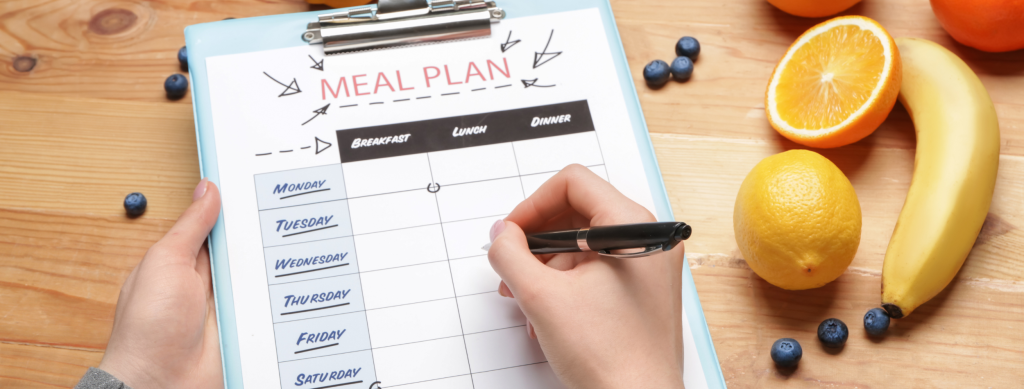
Here’s how to get started with meal planning:
- Take stock. Before you plan, have a look at what is already in your fridge, freezer and pantry. This helps you use what you already have and avoids duplicate purchases.
- Get organised. Write down your meals in a calendar, on a kitchen whiteboard or use a meal planning template. Pick whatever feels most natural for your routine.
- Plan smart. When deciding on your weekly meals, keep these tips in mind:
- Be ingredient-smart. Plan meals that share similar ingredients. Buying unique ingredients for just one meal can lead to wasted food and money. [1]
- Eat seasonal foods. Seasonal ingredients are often more nutritious, tastier and cost less. [1, 5]
- Look for specials. Check what’s on sale and plan meals around those ingredients. The weekly catalogues will become your friend.
Fresh, frozen, and canned foods all have a place.
Fresh fruits and vegetables are a great choice, but not always practical. Frozen fruits and vegetables are just as nutritious, more affordable, and last longer. Keep some in your freezer so you’ll always have healthy options on hand. [1, 5]
Canned foods can be a great choice too. When buying them, check the labels for:
- Canned fruit, choose those stored in natural juice or water instead of syrup
- Canned vegetables and proteins, choose options that say “salt-reduced”, “sodium-reduced”, or “no added salt”.
Once your meal plan is ready, you can create your grocery list.
Smart shopping techniques
The grocery shop is where the real savings happen. Being prepared helps you avoid impulse buys and stick to your budget. Here our top tips:
- Never shop hungry. This is rule number one for a reason. If you are hungry, you’re more likely to reach for expensive convenience items, snacks, and unhealthy options. These all add up on your receipt. [1]
- Stick to your list. It sounds simple but can be hard. The trick is to stay flexible for good deals on healthy staples that you use regularly. [1]
- Compare prices using unit pricing. [4] This is the price per 100g or 100mL and can be found on the shelf label. It’s the best way to compare different-sized products and brands and find the best value.
- Embrace the “imperfect” veggies. These are often cheaper because they look different, but their taste and nutritional value are the same. They’re perfect for stir-fries, soups, stews, and sauces. [1]
- Consider buying in bulk when it makes sense. Buying larger quantities of staple items can save you money in the long run. Why spend $2 on 10 tea bags when 100 cost just $4? Farmers’ markets and independent grocers often offer excellent bulk deals on fresh produce. Store extra bread in the freezer, and freeze raw meat in serving sizes to avoid waste.
- Invest in storage containers. Quality, airtight containers will help you store food safely in the cupboard, fridge, and freezer. Label everything with contents, serving size and date. [2]
Simple meal prep
A few simple habits at mealtimes can help you save even more. Small changes create big results.
Pack a lunch
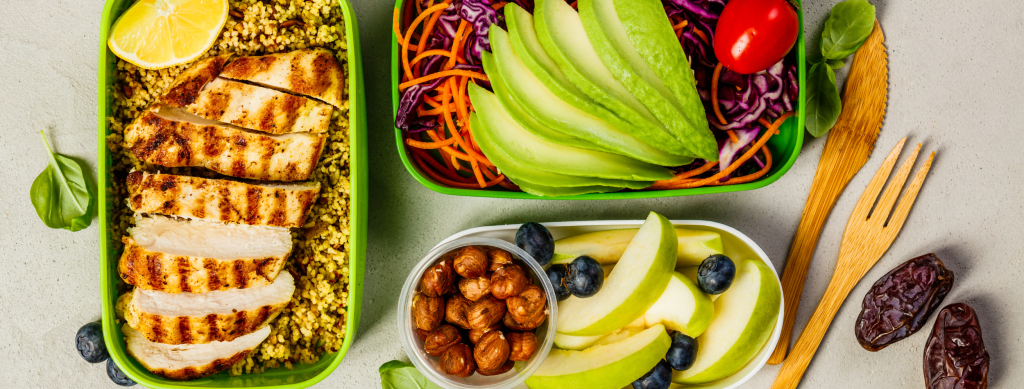
Did you know you could save hundreds of dollars a year by taking your lunch to work instead of buying it? Preparing your lunch the night before can help you build this habit without disrupting your morning routine. If you don’t have a fridge at work, buy a good cooler bag and ice brick. [2]
Here are some tips for packing a lunch you’ll love:
- Aim for healthy, not perfect. Your lunch just needs to contribute positively to your daily nutrition.
- Make it easy. Cook extra on weekends and evenings so you can have leftovers for lunch.
- Use the right containers. Having containers in different sizes makes packing your lunch easy.
- Pack foods you enjoy. Choose lunches you will enjoy eating and give you the energy you need for the day.
Dinner time
If you cook a meal that has more serves than who will be sitting at the table, divide the food into portion sizes. Put any extra serves in the fridge or freezer for another day. [3]
Bulk out your meals with beans and legumes. Lentils, chickpeas, broad beans, and kidney beans work great in pasta sauces, casseroles, curries and stews. They add extra nutrients and fibre, and you may find you don’t need as much meat in the dish, saving you money.
Budget-friendly recipe ideas
Great healthy meals don’t have to be expensive or complicated. Here are some trusted resources for budget-friendly, nutritious recipes:
- Healthy Recipes from EatingWell – tested recipes with nutrition information
- Smart eating recipes from the Dietitians Association of Australia – professionally developed for health and affordability
- Eat Real from taste.com.au – real food recipes from real families
- RecipeTin Eats – practical recipes designed for everyday cooking
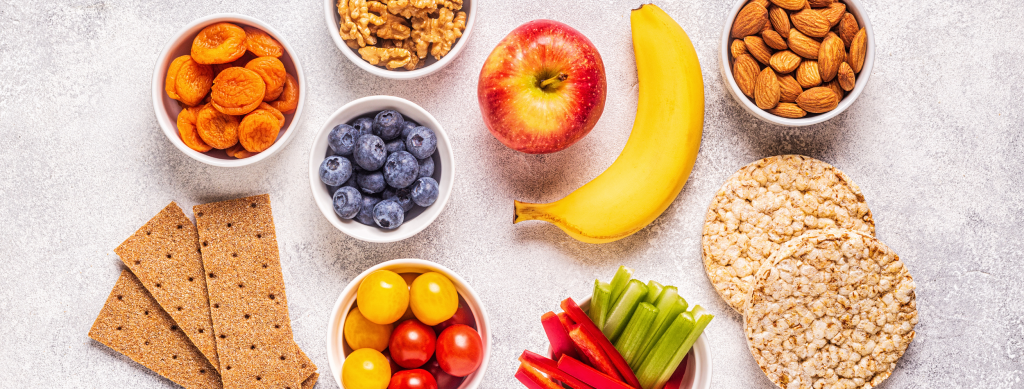
Quick and healthy snack ideas
Ideas for when you need something light or don’t have time for a full meal. [2]
- Carrot sticks and hummus
- Fruit smoothie made with milk, yoghurt and fresh or frozen fruit
- Wholegrain crackers with peanut butter or ricotta and tomato
- Mixed beans or salt-reduced baked beans on a toasted English muffin
Next steps
Healthy eating on a budget is a skill that gets easier and more rewarding with practice. Start with one or two strategies that feel most achievable. Remember, every small step forward is progress. You’re not just saving money. You are investing in your health, building valuable skills, and proving to yourself that good food is achievable.
Ready to begin? Choose one strategy from this guide and try it this week. You’ve got this.